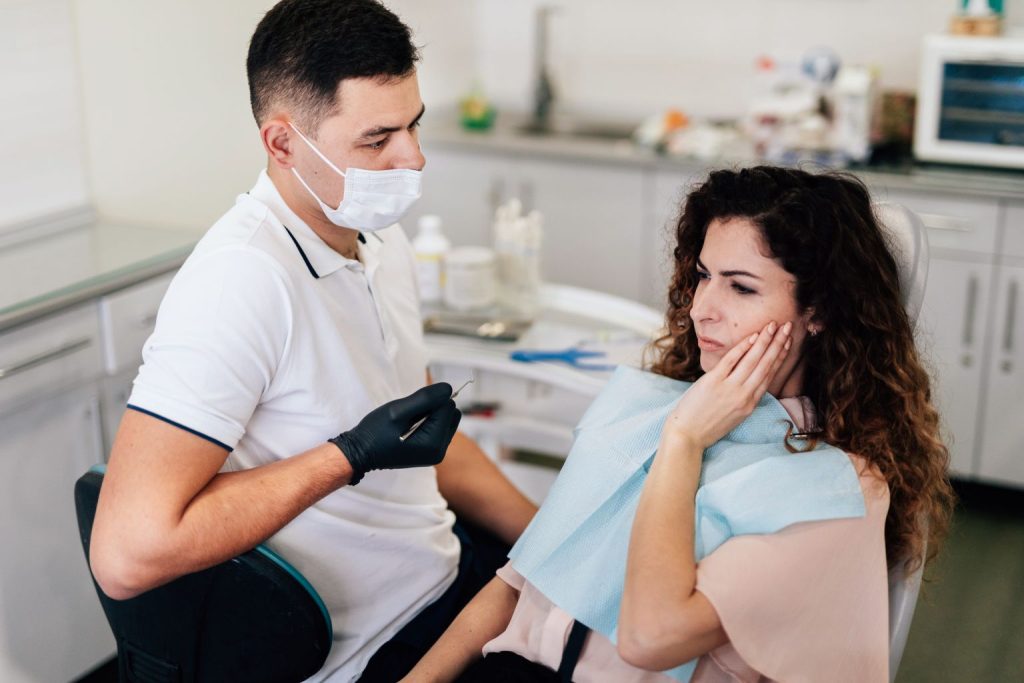
Braces, wires, and retainers are excellent tools to make your teeth straighter, but sometimes accidents or an unexpected issue may happen.
Wires may poke your cheeks, brackets can come loose, or retainers might break. These situations can be uncomfortable or even painful. Knowing what to do before seeing a dentist can help you manage the problem and prevent further damage.
Despite having simple steps taken at home to check, they are not a permanent fix, but they can still help you feel comfortable.
Common Orthodontic Emergencies
Orthodontic emergencies can happen for many reasons. Sports accidents, biting into hard foods, or even a slip while eating can cause problems.
Some typical emergencies include:
- Loose or broken brackets – Brackets hold the wire in place, so when they come loose, they can irritate the mouth and affect your treatment.
- Poking wires – Wires may bend or shift, poking your cheeks, gums, or tongue. This can be painful and cause small cuts if not addressed.
- Lost or broken elastic bands – Elastics are used to align teeth. Missing or broken bands can delay progress if not replaced quickly.
- Broken or ill-fitting retainers – Retainers keep teeth in position after braces. A broken retainer can let teeth shift back.
Recognizing what qualifies as an emergency helps you act promptly and protect your teeth until you see a professional.
What to Do in an Orthodontic Emergency
Knowing what to do in an orthodontic emergency can make a stressful situation easier.
While you should always schedule a visit with an orthodontist in Woodridge, IL, there are steps you can safely take at home:
- Loose brackets – Cover them with orthodontic wax to prevent rubbing against cheeks or gums. Avoid trying to reattach the bracket yourself.
- Poking wires – Push gently with a clean pencil eraser or cover the tip with wax to avoid cuts. If the wire is painful, a small piece of gauze can provide extra padding.
- Lost elastics – If you have spare elastics, replace them as instructed. If not, leave the space empty until you can see your orthodontist.
- Broken retainers – Place them in a safe container and do not try to bend them back into shape.
Although these solutions are temporary, they will help you manage any discomfort and protect your teeth – but remember, these solutions cannot replace professional care.
How to Manage Pain and Discomfort
Even minor orthodontic emergencies can be uncomfortable. To ease pain safely:
- Rinse with warm salt water to reduce irritation and swelling.
- Use orthodontic wax to cover the sharp edges of brackets or wires.
- Take over-the-counter pain relievers as directed on the label.
- Avoid hard, sticky, or crunchy foods that could worsen the problem.
Sleeping with a small pillow to support your jaw or keeping a soft cloth over poking wires can also reduce irritation while you rest.
What are the Prevention Tips for Handling Orthodontic Emergencies
Prevention is always better than treatment. You can reduce the risk of emergencies by:
- Avoiding foods that are hard, sticky, or crunchy, like caramel, nuts, or ice.
- Wearing a mouthguard during sports or high-contact activities.
- Following instructions for elastic bands, retainers, or other appliances.
- Attending regular checkups to catch potential issues early.
By practicing these habits, you protect both your teeth and your orthodontic appliances.
Tools to Keep at Home
Having a small emergency kit with you will make it easy to handle dental emergencies, making it less stressful:
- Orthodontic wax
- Small mirror
- Tweezers for safe wire adjustments
- Cotton balls or gauze
- Pain relievers suitable for your age
Being ready will help you respond calmly and reduce any discomfort until professional help is available.
Preparing for Your Orthodontic Appointment
Even after taking temporary measures at home, it’s essential to see a professional.
Bring any broken pieces, explain what happened, and describe any steps you took to relieve discomfort – doing this will help your orthodontist repair the problem and keep your treatment on track.
If you need emergency care near you, our team at Girgis & Ito Orthodontics offers immediate help for broken braces, wires, or retainers.
Reach out to our team, and let’s help you receive long-lasting, real care.
FAQs
Can I fix a broken wire myself?
Yes, it is possible. You should wire back with a gentle push, using a clean pencil eraser or cover it with wax. Avoid cutting or bending the wire at home, as this could worsen the problem.
How do I handle a loose bracket?
Cover it with wax to prevent irritation and schedule an appointment with your orthodontist today.
When should I visit an orthodontist immediately?
Seek urgent care if there’s severe pain, detached appliances, or injuries to your gums, cheeks, or lips.
Can wearing a mouthguard long-term affect my bite?
No. Properly fitted appliances or mouthguards do not change your bite. Professional adjustment ensures comfort and protection.
Can hybrid dentures be adjusted if they feel uncomfortable?
Yes. Hybrid dentures are custom-made, but minor adjustments can be made by your dentist to improve fit or comfort. Regular checkups help ensure they remain secure and functional.