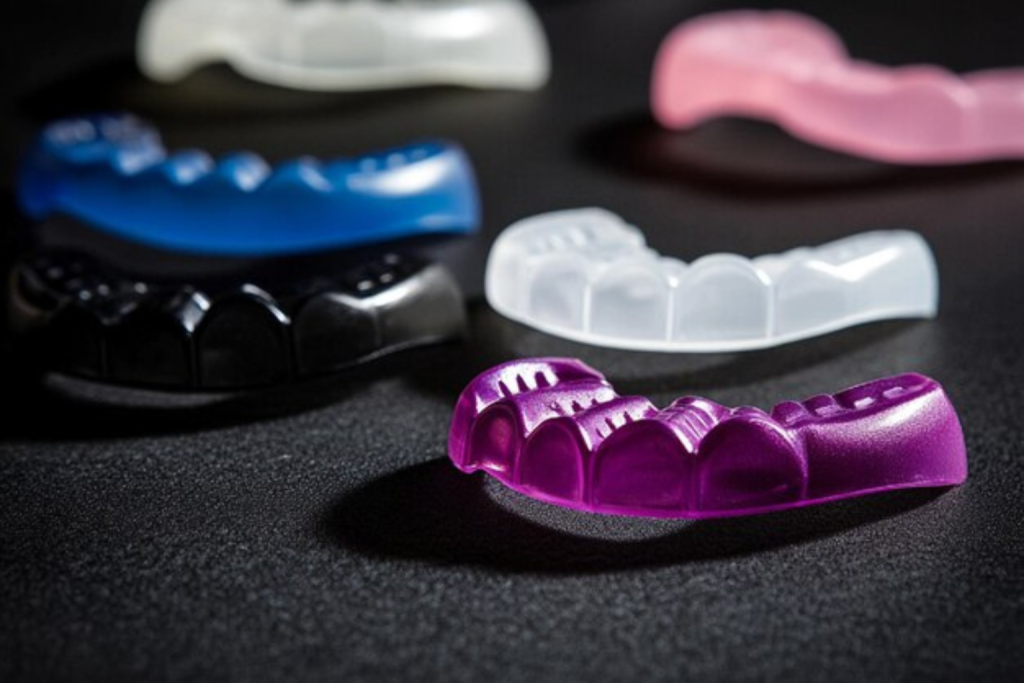
A mouthguard for braces is a protective device that fits over your brackets and wires to prevent mouth injuries during sports, especially for patients undergoing orthodontics in Woodridge. It works by creating a soft barrier between the hard metal of your braces and the sensitive skin of your lips and cheeks.
Why is a Mouthguard Important for Braces?
When you are undergoing orthodontics in Woodridge, protecting your investment is a top priority. Braces are strong, but a sudden impact during a game can cause brackets to break or wires to poke into your gums.
A mouthguard specifically designed for braces provides the extra space needed to cover the appliances without pushing too hard against them.
This ensures that your treatment stays on track and you avoid emergency trips to fix broken parts.
How Do These Guards Protect Your Mouth?
Mouth injuries are common in contact sports, but they are much more painful when you have metal in your mouth. Without a guard, a bump to the lip can push the skin against sharp brackets, leading to deep cuts and bruising.
Using mouthguards in Woodridge helps disperse the force of a blow across all your teeth instead of just one spot. This cushion effect prevents chipped teeth and reduces the risk of serious jaw injuries while you remain active.
What Makes a Mouthguard “Braces-Friendly”?
Standard mouthguards from a store are often made to be boiled and moulded tightly to the teeth, but this is not ideal for someone with braces. Teeth move every week during your treatment, so a guard that is too tight can actually fight against the work your braces are doing.
You need braces-friendly mouthguards that are made from high-quality silicone or flexible materials. These are designed with a special channel that allows the teeth to continue shifting into their correct positions while still providing a secure fit.
Why Should You Choose a Custom Fit?
While you can buy basic guards at a sporting goods store, they are often bulky and make it hard to breathe or speak clearly.
Professionals can create custom mouthguards that are formed from a precise 3D scan or mould of your actual smile. Because these are made just for you, they stay in place much better than one-size-fits-all options.
A better fit means you are more likely to wear it consistently, which is the only way to ensure your smile is always protected.
How Do You Care for Your Mouthguard?
Keeping your guard clean is just as important as keeping your braces clean. Bacteria and plaque can build up on the plastic, which can lead to bad breath or even cavities if not handled properly.
You should rinse your guard with cool water after every use and store it in a ventilated case to let it dry out.
Taking your guard to a dental clinic near you for a regular check ensures it still fits correctly as your bite changes throughout your orthodontic journey.
| Feature | Standard Mouthguard | Braces-Friendly Mouthguard |
| Material | Harder plastic | Soft, flexible silicone |
| Fit | Very tight (molded) | Roomy (allows tooth movement) |
| Protection | Protects teeth only | Protects teeth AND brackets |
| Comfort | Can be bulky | Slim and easy to breathe |
Keep Your Smile Safe While You Play
Protecting your teeth during orthodontic treatment is the best way to ensure your journey to a straight smile is smooth and pain-free. A high-quality mouthguard acts as your smile’s best defence, allowing you to focus on your performance on the field rather than worrying about your braces.
By choosing a solution that is comfortable and fits correctly, you can stay active and safe at the same time.
At Girgis & Ito Orthodontics, we are dedicated to helping our patients achieve and maintain healthy, beautiful smiles. Our team understands the unique needs of athletes and active individuals who are wearing braces.
We offer professional guidance and personalised solutions to make sure your orthodontic appliances are well-protected during every game and practice.
If you are ready to find the best protection for your smile, contact our office today to learn more about our comfort-focused options.
FAQs
Can I use a “boil and bite” guard with my braces?
It is generally not recommended to use a standard boil-and-bite guard because it can get stuck to your brackets or prevent your teeth from moving. If you use one, you must be very careful not to mould it too tightly. Special orthodontic versions exist that are safer for your hardware.
Do I need a mouthguard for non-contact sports?
Even in sports like gymnastics or skateboarding, a fall can cause your braces to cut the inside of your mouth. While not always required by a league, wearing a guard is a smart way to prevent small accidents from becoming painful injuries.
How often should I replace my mouthguard?
Since your teeth are constantly moving during treatment, your guard may start to feel tight or loose after a few months. You should check the fit regularly and replace it if you see any tears or if it no longer stays in place easily during activity.
Does a mouthguard cover the top and bottom teeth?
Most athletes only need a guard for their upper teeth, which usually take the brunt of any impact. However, if you have braces on both the top and bottom, your provider might recommend a double mouthguard to ensure your lower lip is also protected.