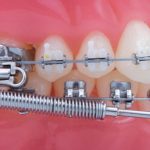
A balanced smile depends on more than straight teeth. The position of your jaw also plays a big role in how your teeth fit together. When the upper and lower jaws do not align properly, it can affect chewing, speech, and facial balance. People exploring orthodontics in Woodridge may learn that jaw correction surgery, combined with orthodontic treatment, can restore proper alignment and improve oral function.
This guide explains how surgical orthodontics works, who may need it, and what patients can expect during treatment and recovery.
What is Jaw Misalignment?
Jaw misalignment occurs when the upper and lower jaws do not meet correctly. This condition is also called a skeletal discrepancy. It may develop due to genetics, growth differences, or injury.
Common signs of jaw misalignment include:
- Difficulty biting or chewing food
- Teeth that do not meet properly
- Frequent jaw pain or tension
- Trouble speaking clearly
- An unbalanced facial appearance
Some mild cases can be corrected with braces or aligners. However, when the problem involves the jawbone itself, surgery may be required to reposition the jaw.
What is Surgical Orthodontics?
Surgical orthodontics, also known as orthognathic surgery, combines orthodontic treatment with jaw surgery to correct severe jaw alignment issues.
This process usually includes two phases:
| Treatment Phase | What Happens |
| Orthodontic Preparation | Braces or aligners will be used to move the teeth into the correct position before the surgery. |
| Jaw Surgery | A skilled oral surgeon will move the jaw into the correct position to enhance the alignment and the bite. |
The aim is to develop a functional and aesthetically pleasing bite.
Patients often start by visiting an orthodontic professional who evaluates their bite and determines whether surgery may be necessary. Many people begin their search for orthodontics near you to discuss treatment options and receive a detailed evaluation.
Who May Need Surgical Orthodontics?
Not everyone with crooked teeth needs jaw surgery. Surgical orthodontics is typically recommended for adults whose jaw growth is complete and whose bite problems cannot be corrected with braces alone.
You may be a candidate if you have:
- A severe overbite or underbite
- An open bite where the front teeth do not touch
- Difficulty chewing or biting food
- Facial imbalance caused by jaw position
- Chronic jaw discomfort or tension
These conditions often require both orthodontic treatment and surgery to achieve lasting results.
How Does the Surgical Orthodontic Process Work?
The treatment process involves careful planning and coordination between orthodontic and surgical teams.
Here is a step-by-step overview:
1. Initial Consultation
The orthodontist evaluates your teeth, bite, and jaw alignment using X-rays, photos, and digital scans.
2. Pre-Surgical Orthodontics
Braces are usually worn for several months to move the teeth into positions that will support the new jaw alignment after surgery.
3. Orthognathic Surgery
During surgery, the oral surgeon carefully adjusts the jawbones. Plates or screws may be used to hold the jaw in its new position while it heals.
4. Post-Surgical Orthodontics
After healing begins, braces continue to refine the alignment of the teeth.
This complete process can take one to three years, depending on the complexity of the case. Patients searching for surgical orthodontics near you often receive a treatment plan tailored to their individual needs.
What Happens During Jaw Surgery?
Orthognathic surgery is performed in a hospital or surgical center under general anesthesia.
During the procedure:
- The surgeon makes small incisions inside the mouth
- The jawbone is carefully repositioned
- Small plates or screws secure the jaw in place
- The incisions are closed after the new alignment is achieved
Because the incisions are inside the mouth, there are usually no visible facial scars.
The surgery typically lasts several hours, depending on how many areas of the jaw need adjustment.
What is the Recovery Time After Orthognathic Surgery?
Healing after jaw surgery requires patience, but most people recover well with proper care. The recovery time after orthognathic surgery varies depending on the individual and the type of procedure performed.
Here is a general recovery timeline:
| Recovery Stage | What to Expect |
| First Week | Swelling and mild discomfort are common. Soft foods are recommended. |
| 2–4 Weeks | Swelling gradually reduces, and daily activities may resume. |
| 6–8 Weeks | Jawbones continue healing, and normal eating habits slowly return. |
| Several Months | Full healing occurs, and orthodontic adjustments continue. |
Following post-surgical instructions carefully helps ensure a smoother recovery.
What are the Benefits of Surgical Orthodontic Treatment?
Correcting jaw alignment can improve more than just appearance. The benefits of surgical orthodontic treatment include both functional and aesthetic improvements.
Key benefits include:
- Improved ability to chew and bite food
- Better speech clarity
- Reduced jaw pain or pressure
- Enhanced facial balance and symmetry
- Long-term stability of the bite
- Improved oral health and easier cleaning
Many patients also report increased confidence after treatment because their smile and facial profile feel more balanced.
How Long Does the Entire Treatment Take?
The full process of surgical orthodontics takes time because it involves both orthodontic treatment and surgical healing.
Typical timelines include:
- Pre-surgical braces: 12–18 months
- Surgery and initial healing: 6–8 weeks
- Post-surgical orthodontics: 6–12 months
Your orthodontist will provide a personalized timeline based on your specific needs.
How Can You Prepare for Surgical Orthodontic Treatment?
Preparing for jaw surgery helps patients feel more confident and comfortable during the process.
Helpful preparation steps include:
- Attending all orthodontic appointments
- Maintaining good oral hygiene
- Following dietary recommendations before surgery
- Planning time for rest during recovery
Clear communication with your orthodontic team helps ensure that every stage of treatment progresses smoothly.
Restore Balance to Your Smile with Girgis & Ito Orthodontics
Jaw misalignment can affect daily comfort, oral health, and confidence. Surgical orthodontics offers a proven way to correct these issues by aligning both the teeth and jaw. With the right treatment plan, patients can achieve improved bite function and a more balanced smile.
If you are exploring treatment options, the team at Girgis & Ito, Orthodontics can guide you. Schedule a consultation to learn how surgical orthodontic care can support a healthier, more confident smile.