Can orthodontic problems sometimes require more than braces? Many adults seek orthodontic Treatment to improve tooth alignment, but some concerns involve the position of the jaw rather than just the teeth. In these situations, Surgical Orthodontics in Woodridge may be recommended to help correct jaw alignment issues that cannot be fully addressed with braces or aligners alone.
Surgical orthodontics combines orthodontic Treatment with jaw surgery to improve bite function, facial balance, and overall oral health. Understanding the warning signs can help determine when a professional evaluation may be beneficial.
What Is Surgical Orthodontics?
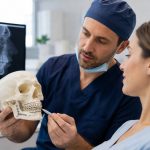
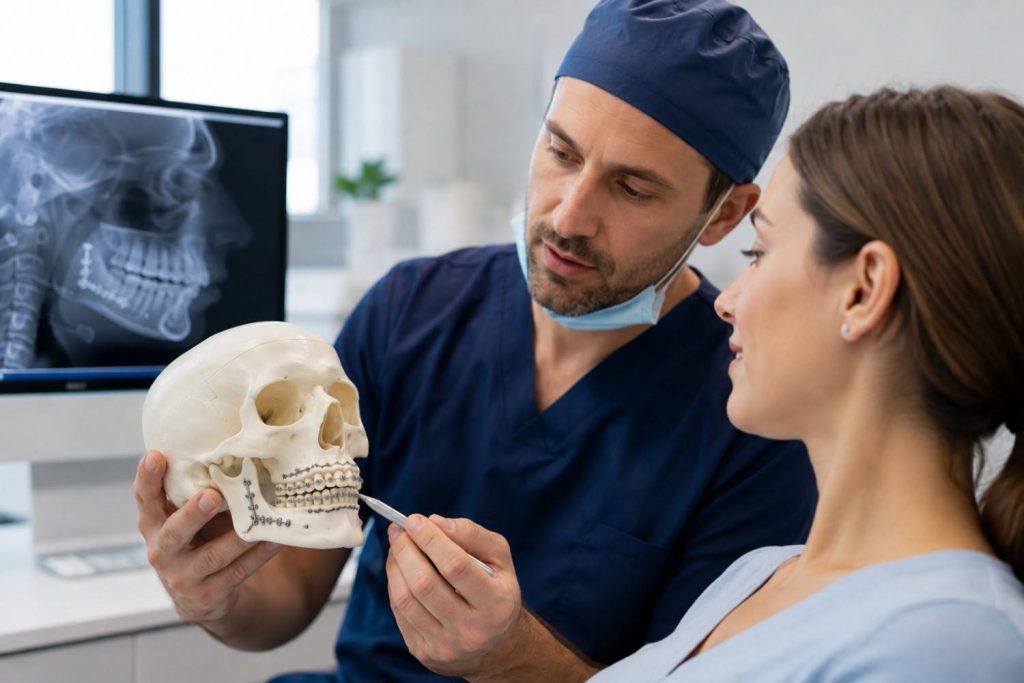
Surgical orthodontics, also called orthognathic surgery, is a treatment used to correct significant jaw alignment concerns.
This Treatment is usually recommended after the jaw has finished growing. It may be considered when:
- The upper and lower jaws do not fit together properly.
- Bite problems make daily activities difficult.
- The face appears unbalanced.
- Chewing or speaking is challenging.
- Braces alone may not correct the problem.
Treatment often involves both an oral surgeon and an orthodontist in Woodridge, working together.
Why Do Some Adults Need Surgical Orthodontics?
In some cases, teeth may be straight while the jaws remain misaligned. When the jaws are misaligned, it can affect comfort, appearance, and function.
Common causes include:
- Genetics
- Uneven jaw growth
- Childhood developmental concerns
- Facial injuries
- Long-term bite abnormalities
These issues often continue into adulthood if not corrected earlier.
Sign #1: Difficulty Biting or Chewing Food
One of the most common signs is trouble chewing food comfortably.
Jaw misalignment may cause:
- Uneven biting pressure
- Difficulty tearing food
- Jaw fatigue while eating
- Frequent biting of the cheeks or tongue
When chewing becomes difficult, a more comprehensive treatment approach may be needed.
Sign #2: Significant Overbite or Underbite
A severe overbite or underbite can affect both the way your smile looks and how your teeth work.
Overbite
- The upper teeth stick out too far over the lower teeth.
- It may be hard to keep the lips closed comfortably.
- Teeth may wear down faster.
Underbite
- The lower jaw sticks out farther than the upper jaw.
- Biting and chewing food may be difficult.
- It can change the appearance of the face.
In some cases, braces alone may not be enough to correct these problems fully.
Sign #3: Chronic Jaw Pain or Discomfort
Jaw alignment problems do not always cause pain, but they can sometimes make your jaw feel uncomfortable.
Signs may include:
- Jaw pain or tenderness
- Tightness in the face
- Clicking or popping sounds when opening or closing the mouth
- Trouble opening or closing the mouth fully
A dental checkup can help determine if your jaw alignment is causing these symptoms.
Sign #4: Speech Difficulties
The position of your jaws can affect how clearly you speak.
Jaw alignment problems may lead to:
- Lisping
- Trouble saying certain words clearly
- Speech that sounds unclear
- Changes in the way you speak over time
In some cases, improving jaw alignment may help make speech clearer.
Sign #5: Teeth Wear Down Unevenly
When the bite does not fit together properly, some teeth may experience greater pressure than others.
Signs of uneven wear include:
- Flattened tooth surfaces
- Chipped teeth
- Increased sensitivity
- Excessive enamel wear
Addressing the underlying bite issue may help reduce further damage.
Sign #6: Breathing or Sleep Concerns
The way your jaws are positioned can affect how easily you breathe.
Some jaw alignment problems may be linked to:
- Breathing through the mouth
- Snoring during sleep
- Poor or interrupted sleep
- Reduced space for normal airflow
Not all breathing problems are caused by jaw position, but an evaluation can help determine whether it may be a contributing factor.
Sign #7: Facial Imbalance
Some adults consider Treatment because they are concerned about the shape or balance of their face.
Examples may include:
- A chin that appears too far back
- A lower jaw that sticks out
- Uneven facial features
- Difficulty keeping the lips closed comfortably.
Surgical orthodontics may improve facial balance and make chewing, biting, and speaking easier.
What Are Adult Jaw Alignment Treatment Options?
Several Adult jaw alignment treatment options may be considered depending on the severity of the problem.
Treatment possibilities may include:
| Treatment Option | Purpose |
| Braces | Align teeth |
| Clear Aligners | Correct selected tooth movement |
| Jaw Surgery | Reposition jaws |
| Combined Treatment | Address both teeth and jaw alignment |
The most appropriate solution depends on the specific diagnosis and treatment goals. Consulting an orthodontist near you can help determine the best treatment option for your needs.
Benefits of Surgical Orthodontics for Adults
There are several potential Benefits of surgical orthodontics for adultswhen jaw alignment is significantly affecting function or appearance.
Possible benefits may include:
- Better bite function
- Easier chewing
- Clearer speech
- Improved facial appearance
- Less pressure on the teeth
- Better long-term oral health
The right Treatment depends on your specific needs and your dentist’s evaluation.
Achieve Better Balance, Function, and Confidence!
Jaw alignment issues can be adjusted for optimal comfort, functionality, and quality of life. A personalized evaluation can determine a tailored course of action for a healthier, more balanced smile. Make an appointment today to learn more about the treatment options available at Girgis & Ito Orthodontics.
FAQs
Can adults have surgical orthodontic Treatment?
Yes. Surgical orthodontics is commonly performed after jaw growth is complete, making it a treatment option for many adults.
Is surgery always needed for bite problems?
No. Many bite issues can be treated with braces or aligners alone. Surgery is generally considered for more severe jaw alignment concerns.
How long does surgical orthodontic Treatment take?
Treatment length varies depending on the complexity of the case and the amount of correction required.
What are the benefits of surgical orthodontics?
Potential benefits include improved chewing, better bite function, enhanced facial balance, and improved overall oral health.