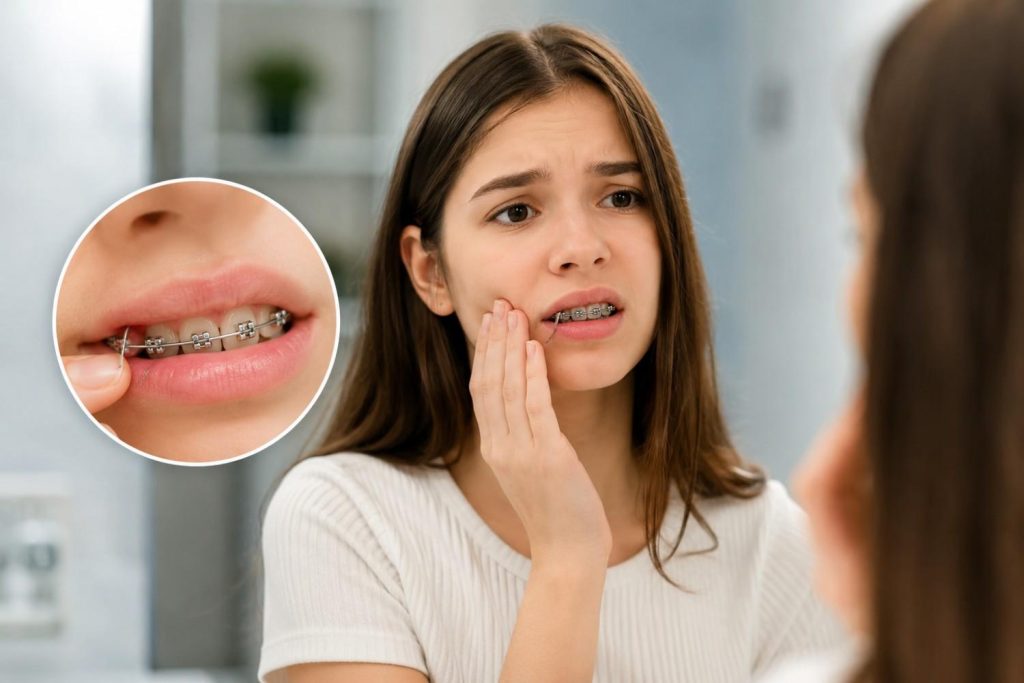
Orthodontic issues like broken braces and discomfort with aligners can occur at unexpected times. How does this happen? What should you do next? Problems with braces can happen anytime, especially while eating or going about your daily routine. These situations can lead to sudden discomfort, irritation, or stress. If you are receiving orthodontics in Woodridge, it is helpful to know how to handle common orthodontic emergencies, what steps to take when braces or aligners break, and how to manage discomfort until you can receive professional care.
Emergency orthodontic care aims to relieve pain, prevent injury, and maintain treatment progress until an orthodontist can be consulted.
Common Causes of Orthodontic Problems
Orthodontic emergencies often start as minor problems that can worsen if left untreated.
Common causes include:
- A broken bracket
- A loose or poking wire
- A cracked or damaged aligner
- Eating hard, crunchy, or sticky foods
- Getting hit in the mouth during sports or other activities
These problems can make your mouth sore and may affect how well your treatment is working.
Signs You Need Emergency Orthodontic Care
Knowing the signs you need emergency orthodontic care helps in taking quick action before the problem worsens.
Key signs include:
- Sharp pain in the mouth
- Wire poking cheeks or gums.
- Broken or detached brackets
- Difficulty chewing or speaking
- Swelling or irritation inside the mouth
Early attention can help reduce discomfort and prevent damage to your braces.
How Urgent Is a Broken Bracket or Wire?
In most cases:
- It is not a medical emergency.
- It should still be checked as soon as possible.
- A loose or sharp wire can irritate your cheeks, lips, or gums.
- A broken bracket may affect how your teeth move during treatment.
- Waiting too long can lead to more discomfort.
Getting it repaired quickly can help keep your treatment on track and make you more comfortable.
First Steps to Take Before Visiting the Orthodontist
Before you can visit a dental office, there are a few simple things you can do to stay comfortable.
Helpful tips include:
- Place orthodontic wax over sharp wires or brackets.
- Rinse your mouth with warm salt water.
- Avoid hard, crunchy, or sticky foods.
- Keep damaged aligners in a safe place.
- Use simple pain relief methods if needed.
These steps can help ease discomfort until you receive professional care.
Home Remedies for Orthodontic Pain Relief
Many people look for simple ways to ease orthodontic pain at home when discomfort starts.
Some easy options include:
- Rinsing with warm salt water
- Holding a cold compress against the outside of the cheek
- Eating soft foods such as yogurt, mashed potatoes, or soup
- Brushing and cleaning teeth gently
- Avoiding chewing on sore areas
These simple steps can help reduce discomfort and irritation until you can see your orthodontic provider.
Invisalign and Emergency Care
Patients using clear aligners, such as Invisalign in Woodbridge, may also experience emergencies, such as cracks or discomfort.
Common aligner issues include:
- Cracked trays
- Tight or loose fit
- Missing aligner pieces
- Gum irritation
- Difficulty wearing aligners
Keeping aligners clean and safe helps avoid most problems.
What to Avoid During Orthodontic Emergencies
Some actions can make an orthodontic problem worse.
Try to avoid:
- Pulling, cutting, or bending wires
- Ignoring sharp areas that are causing pain
- Eating hard, crunchy, or sticky foods
- Waiting too long to get professional help
Being careful can help protect your teeth, mouth, and orthodontic appliances until you receive proper care.
Why Quick Action Matters
Orthodontic issues can affect your health.
- Worsening pain.
- Gum wounds or inflammation.
- Delay in treatment.
- More broken appliances are coming.
- Treatment is being continued properly.
Prompt reactions help remain in progress and comfort.
When to Seek Help
If you are looking for orthodontics near you, quick treatment can help when you have sudden pain or a problem with your braces or aligners.
Professional care can help:
- Repair broken brackets, wires, or aligners
- Relieve discomfort safely
- Make any needed adjustments to keep treatment on track.
- Prevent long-term issues
- Keep treatment on track.
Emergency Care for Children and Teens
Orthodontic emergencies are more common with younger patients due to active lifestyles.
Attention must be focused on.
- Relieve pain fast.
- Safely using braces or aligners.
- Avoiding more harm.
- Keeping teeth clean.
- Rapid expert assessment.
Quick Help for Braces and Aligners When You Need It Most!
Emergency orthodontic issues must never be ignored, as timely treatment prevents pain and delays in procedures. Professional care is always needed for proper correction, but simple steps can provide a temporary fix at home. For emergency orthodontic treatments, you can schedule an appointment right away with Girgis & Ito Orthodontics.
FAQs
How urgent is a broken bracket or wire?
A broken bracket or wire should be checked as soon as possible to prevent pain, mouth injuries, and delays in orthodontic treatment progress.
What are simple home remedies for orthodontic pain relief?
Simple relief methods include warm saltwater rinses, applying a cold compress to the outside of the cheek, and eating soft foods to reduce pressure and discomfort.
Can I fix a broken bracket at home?
No, it should not be fixed at home. It is best to manage the discomfort temporarily and seek professional repair.
What should I do if my aligner breaks?
If an aligner breaks, all pieces should be kept safe, and the aligner should not be worn until it is checked and replaced if needed.